

Atal Solar N-Type TOPCon solar panel manufacturing technology
0%
60%
100%

Smarter TOPCon solar
starts, with Atal excellence.

Advanced engineering and uncompromised standards define our approach to solar.

Technology

Atal Solar builds TOPCon solar panel modules on advanced
N-Type TOPCon architecture for higher efficiency, lower
degradation, and superior field performance.

Beyond limits, defining the next chapter of solar technology.

Ultra Thin Icon

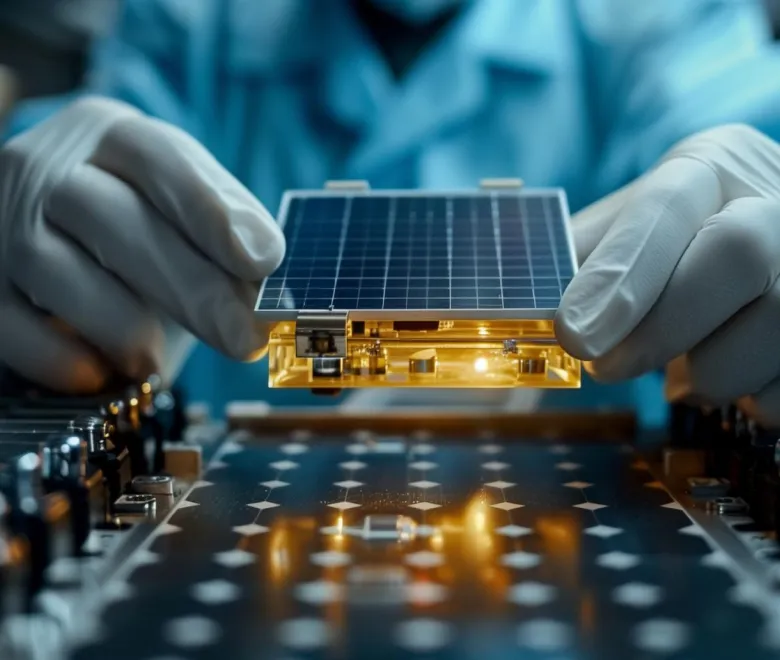
Ultra thin tunnel oxide and polysilicon contact for higher carrier lifetime

Efficiency Icon

Module efficiency consistently above 23 percent

Low Temperature

Very low temperature coefficient for higher real world output

Minimal LID

Minimal LID and LeTID ensuring long term stability

Fully automated production

Fully automated production

Automation that ensures unmatched consistency

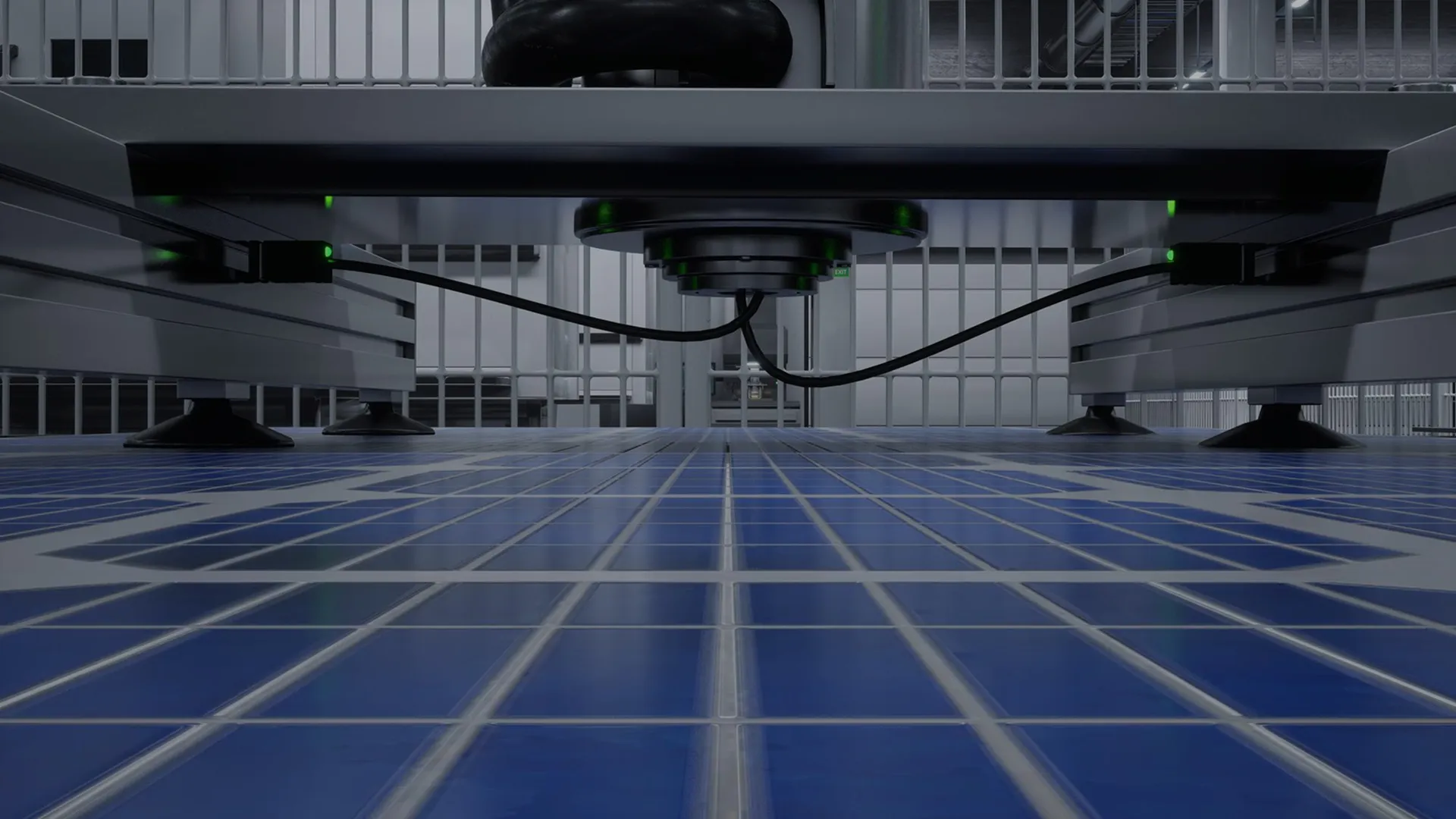
A production line engineered to eliminate human error and deliver perfect repeatability.

  • India's first fully automated production line with AI and AOI
  • Robotics based stringing, tabbing and lamination for superior alignment
  • Zero human error processes for precise and stable output
Advanced cell technologies

Advanced cell technologies

Next generation cell architecture for higher performance

Modules built on some of the most advanced technologies available today.

  • N Type TOPCon Bifacial cell technologies
  • G12R and M10R high power cell formats for maximum Wp
  • High efficiency glass to glass and bifacial modules for higher yield
Smart monitoring and data intelligence

Smart monitoring and data intelligence

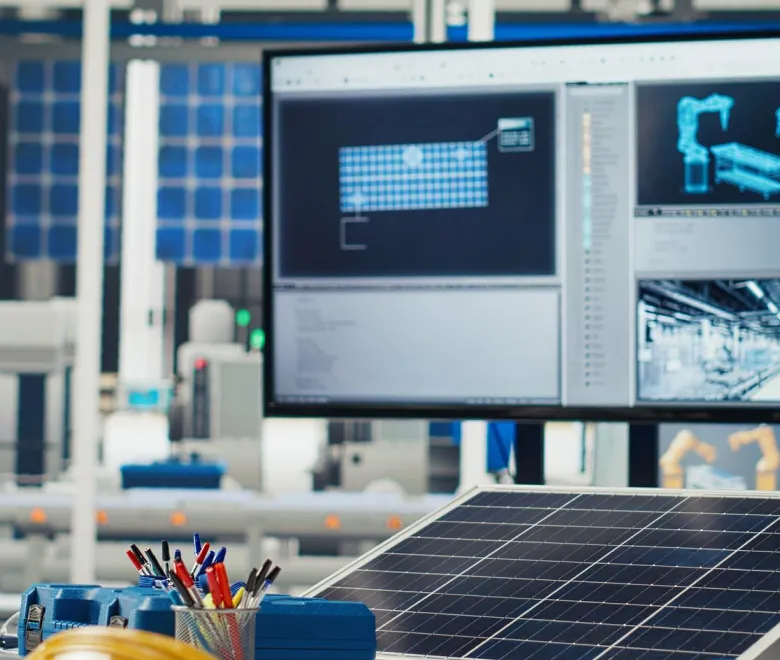
A Production floor that thinks and learns

Every stage is powered by real time intelligence for maximum efficiency.

  • Smart monitoring systems that track performance at each step
  • Data driven analytics for precise manufacturing control
Reliability through constant testing

Reliability through constant testing

Quality verified at every stage of production

A laboratory-grade environment that ensures long-term performance and durability.

  • State of the art testing equipment
  • Dedicated reliability lab
  • Inline quality checks at every critical stage

Frequently Asked Questions

Your questions answered, your confidence assured.

  • 1. How is Atal Solar’s manufacturing line different from traditional production?

    Atal Solar operates on a fully automated production line enhanced with AI and AOI, eliminating manual errors and ensuring consistent module quality. Every step — from cell processing to final inspection — runs with robotic precision.

  • 2. What role does AI and AOI play in your manufacturing process?

    AI analyzes real-time production data, while AOI (Automatic Optical Inspection) detects micro-level defects that the human eye cannot see. Together, they ensure flawless alignment, perfect soldering, and stable long-term module performance.

  • 3. How do robotics improve the accuracy of solar module manufacturing?

  • 4. What advanced technology is used in Atal Solar TOPCon panels?

    Atal Solar uses N-Type TOPCon, bifacial solar panels, high-power G12R and M10R formats, and glass-to-glass module design for higher efficiency and lower degradation.

  • 5. How do bifacial solar panels improve energy yield?

    Bifacial solar panels generate power from both front and rear sides, helping improve energy yield in suitable installation conditions with better light reflection.

  • 6. How does Atal Solar ensure product reliability during production?

    Reliability is maintained through state-of-the-art testing equipment, a dedicated reliability lab, and inline quality control at every stage. Every module passes through multiple checks before approval.

  • 7. How does smart monitoring enhance manufacturing efficiency?

    Our smart monitoring system tracks every stage of production in real time. This data-driven approach ensures faster detection of deviations, optimized throughput, and consistent manufacturing quality.

  • 8. What is the difference between TOPCon vs mono perc solar panels?

    In TOPCon vs mono perc comparison, TOPCon panels generally offer better efficiency, lower degradation, improved temperature performance and stronger long-term output.